
Dash Cam Vs Camera System
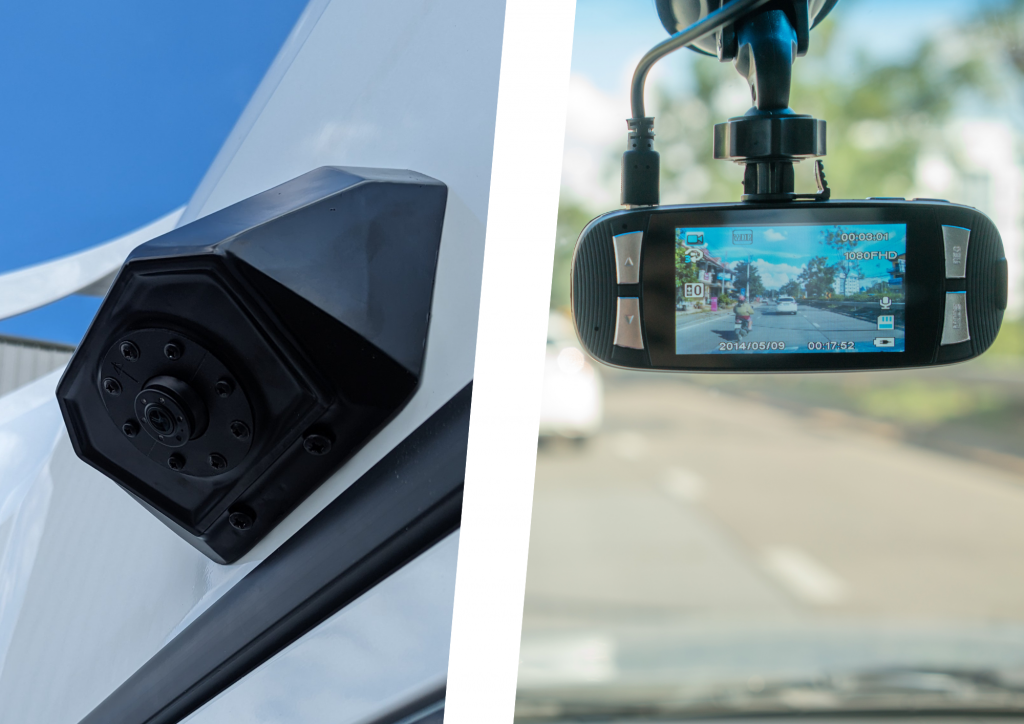
In today’s world of rising road incidents, liability concerns, and safety regulations, camera technology has become an essential tool for both personal vehicles and commercial fleets. But not all camera setups are created equal. Two common options are dash cams and full camera systems—and knowing the difference could save your business time, money, and risk.
Let’s break it down.
Dash Cam vs Camera System Explained
What is a Dash Cam?
A dash cam (dashboard camera) is typically a single, forward-facing camera mounted to the windscreen or dashboard. It records video footage of the road ahead and, in some cases, the interior of the cab.
Commonly Found In:
-
Company cars
-
Small vans
-
Owner-operator vehicles
-
Taxis or ride-share vehicles
-
Personal vehicles
Industries That Commonly Use Dash Cams:
-
Field services (plumbers, electricians)
-
Taxi and ride-share services
-
Sales teams or delivery drivers with personal/company cars
-
Insurance and legal sectors for evidence gathering
A full camera system is a multi-angle setup with multiple external cameras (front, nearside, offside, rear) and often interior or load-area cameras. It’s usually connected to a DVR (digital video recorder) and can include features like GPS and AI detection.
Commonly Found In:
-
HGVs and LGVs
-
Rigid and articulated lorries
-
Vans with regular loading/unloading
-
Plant vehicles and tippers
-
Municipal service vehicles (bin lorries, sweepers)
Industries That Rely on Full Camera Systems:
-
Logistics and haulage
-
Waste and recycling
-
Construction and groundwork
-
Utilities and infrastructure
-
Emergency services
-
Local authority fleets
Pros & Cons Dash Cams
Pros:
-
Low-cost and easy to install
-
Useful for proving fault in accidents
-
Some models include GPS and audio recording
-
No need for complex wiring or storage systems
Cons:
-
Limited field of view (usually only forward-facing)
-
No visibility of sides, rear, or blind spots
-
No integration with driver alerts or fleet tracking systems
-
Limited storage capacity
-
Not compliant with many commercial vehicle safety regulations
Pros & Cons Camera Systems
Pros:
-
360° vehicle coverage – front, rear, sides, and cab
-
Remote access for live view or footage download
-
Integration with AI systems (e.g. pedestrian detection, turn alerts)
-
Compliance with DVS, FORS, and CLOCS standards
-
Supports proactive driver training and insurance defence
-
Scalable and customisable across large fleets
Cons:
- Higher upfront cost
- Requires professional installation
- More complex data storage and management
- May need regular system health checks
Which is Right for You?
| Vehicle Type | Recommended System |
|---|---|
|
Personal Car |
Dash Cam |
|
Taxi or Ride-Share |
Dash Cam + Interior (Cab) Camera |
|
Van (Solo Driver) |
Dash Cam or Basic Side View System |
|
Fleet Van |
Full Multi-Camera System |
|
HGV or Tipper |
Full Camera System with DVR & AI |
|
City-Based Vehicles |
Full System (DVS-Compliant Setup)
|
Final Thoughts
If your vehicle rarely enters busy areas or doesn’t need to meet specific safety regulations, a dash cam might be all you need. But if you’re operating in high-traffic environments, managing a fleet, or responsible for pedestrian safety and blind spot awareness, a full camera system is the safer, more compliant choice.
At Fir Tree Technology, we manufacture and install both dash cams and full camera systems, tailored to your specific vehicle type and industry. Whether you’re fitting one van or managing 500 HGVs, we’ll help you build a smarter, safer fleet—with minimal downtime and maximum reliability.
Want to talk through your options? Get in touch today.